From Samples to Mass Production: The Custom Swimwear Manufacturing Process Explained
The global swimwear industry has evolved far beyond seasonal beach trends. Today, it is a highly structured, design-driven, and manufacturing-intensive sector that supports fashion brands, retailers, and entrepreneurs worldwide. Understanding how custom swimwear moves from an initial idea to large-scale production is essential for anyone entering this space, especially those working with wholesale bikinis, wholesale men swimwear, or expanding into niche segments like wholesale boy swimsuits. The journey from samples to mass production is complex, but when managed correctly, it ensures consistency, quality, and brand identity across every finished piece.
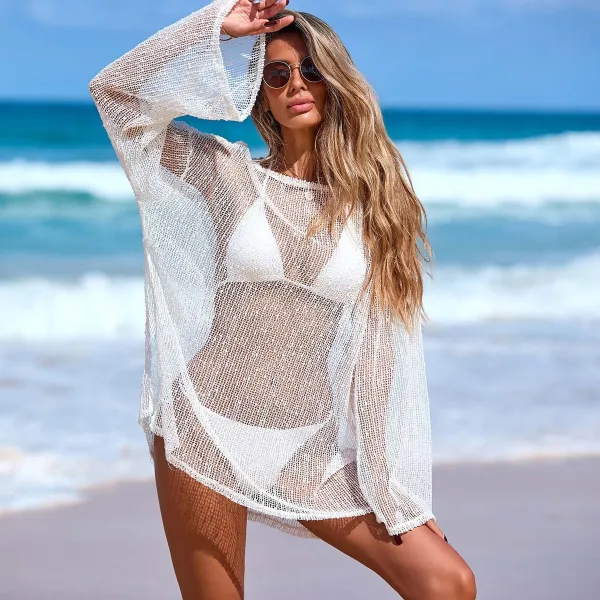
The process begins with concept development. At this stage, brands translate their vision into tangible ideas, influenced by market trends, customer preferences, and functional requirements. Designers consider silhouettes, coverage, fabric performance, and color palettes. For custom made swimsuits, this phase is particularly important because the product must align closely with a brand’s identity while also meeting practical expectations like comfort, durability, and fit. Whether a brand focuses on minimalist styles or bold, fashion-forward designs, the concept stage lays the foundation for everything that follows.
Once concepts are defined, technical design comes into play. Sketches are transformed into detailed tech packs, which serve as the blueprint for manufacturers. A tech pack includes measurements, construction details, stitching methods, fabric specifications, and trim requirements. This document is essential when working with wholesale bikinis suppliers, as it ensures both parties share the same expectations. Clear communication at this stage reduces errors, shortens production timelines, and helps maintain consistent quality across different styles and size ranges.
After the technical documentation is complete, the sampling phase begins. Samples are the first physical representation of the design and are critical for evaluating fit, fabric behavior, and overall appearance. Most manufacturers will produce one or more samples, often starting with a prototype made from similar materials before moving to a final sample using the actual production fabric. For wholesale men swimwear and wholesale boy swimsuits, sampling is especially important because fit and comfort are key selling points. Adjustments are common at this stage, and brands may go through multiple rounds of revisions to perfect the product.
Fabric sourcing is another crucial element of the process. Swimwear fabrics must balance stretch, recovery, durability, and resistance to chlorine, saltwater, and UV exposure. Many manufacturers offer a range of performance fabrics, from nylon-spandex blends to recycled materials. For brands working with wholesale bikinis suppliers, selecting the right fabric can influence both cost and brand positioning. Premium fabrics may increase production costs but can elevate perceived value, while more cost-effective options may suit mass-market strategies.
Once samples are approved and fabrics are finalized, the process moves into pre-production planning. This stage involves confirming order quantities, size breakdowns, colorways, and delivery timelines. Manufacturers prepare patterns for each size, ensuring consistent grading across the range. This is particularly important for custom made swimsuits, as poor grading can lead to fit issues that affect customer satisfaction and return rates. Pre-production planning also includes sourcing trims such as elastic, linings, hooks, and labels, all of which must meet quality standards.
Cutting and sewing mark the beginning of actual production. Fabrics are cut according to approved patterns, either manually or using automated cutting machines for higher efficiency. Precision at this stage is essential to minimize waste and ensure consistency. Skilled workers then assemble the garments, following the construction methods outlined in the tech pack. Swimwear construction requires specialized techniques, such as stretch stitching and reinforced seams, to ensure the final product performs well under active use.
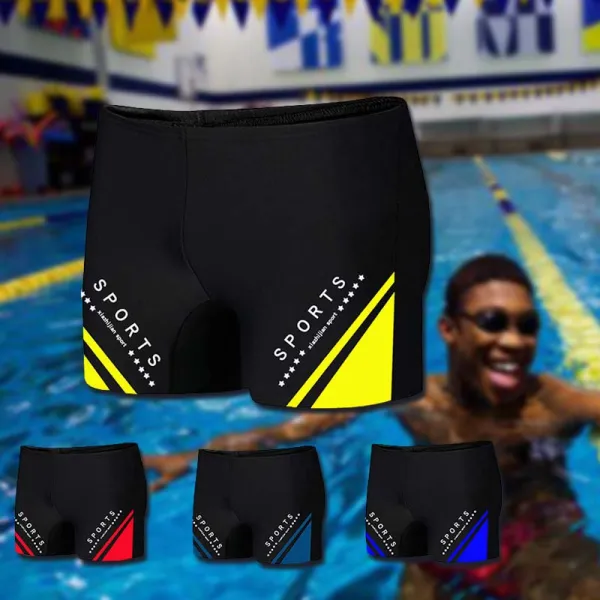
Quality control is integrated throughout the production process, not just at the end. Reputable manufacturers conduct inspections at multiple stages, checking stitching strength, measurements, and overall workmanship. For brands producing wholesale bikinis or wholesale men swimwear at scale, consistent quality control protects brand reputation and reduces costly rework or returns. Final inspections typically occur before packaging, ensuring that only approved products move forward.
Branding and finishing touches are applied once garments pass quality checks. This includes adding labels, tags, and packaging that reflect the brand’s image. Custom packaging can be a powerful differentiator, especially for brands competing in crowded markets. Even when working with wholesale bikinis suppliers, thoughtful branding helps products stand out and reinforces a professional, cohesive brand identity.
Packaging and logistics follow as the final steps before distribution. Swimwear is typically packed in protective polybags or branded packaging to prevent damage during transit. Manufacturers coordinate shipping based on agreed timelines, whether products are delivered directly to warehouses, retail locations, or fulfillment centers. Efficient logistics planning is essential, particularly for international orders, where customs and shipping delays can impact launch schedules.
Mass production introduces additional challenges compared to small-batch manufacturing. Scaling up requires reliable suppliers, efficient workflows, and strong communication between brands and factories. For businesses expanding into wholesale boy swimsuits or diversifying their product lines, working with experienced manufacturers can significantly reduce risks. Established suppliers understand how to balance speed, cost, and quality, ensuring that large orders meet expectations without compromising standards.
Sustainability is increasingly shaping the custom swimwear manufacturing process. Many brands now prioritize eco-friendly fabrics, ethical labor practices, and reduced waste. Manufacturers have responded by offering recycled materials, low-impact dyeing processes, and more transparent production practices. While sustainability may add complexity to sourcing and production, it also creates opportunities for brands to connect with environmentally conscious consumers and differentiate themselves in the market.
Ultimately, the journey from samples to mass production is about collaboration. Successful swimwear manufacturing depends on clear communication, detailed planning, and mutual trust between brands and suppliers. Whether producing wholesale bikinis, wholesale men swimwear, or fully custom made swimsuits, understanding each stage of the process empowers brands to make informed decisions, manage costs effectively, and deliver products that meet both aesthetic and functional expectations.
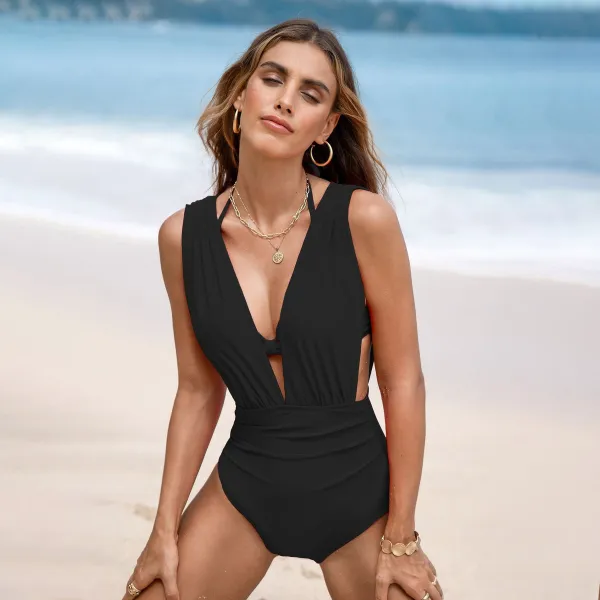
As the swimwear market continues to grow and diversify, brands that invest time in understanding the manufacturing process gain a significant competitive advantage. From initial sketches to finished garments ready for retail, every step contributes to the final product’s success. By mastering this journey, businesses can build stronger partnerships, create better products, and scale confidently in an increasingly demanding global market.


Comments
Post a Comment