From Runway to Warehouse: The Rise of Bespoke Menswear Bulk Orders
In the past, bespoke menswear lived in a rarefied world. It was associated with Savile Row tailors, private fittings, and garments made one by one for elite clients. Bulk ordering, on the other hand, belonged to factories, warehouses, and mass production lines. Today, those two worlds are no longer separate. From runway concepts to warehouse-scale fulfillment, the menswear industry is undergoing a quiet but powerful transformation: bespoke thinking is reshaping bulk orders.
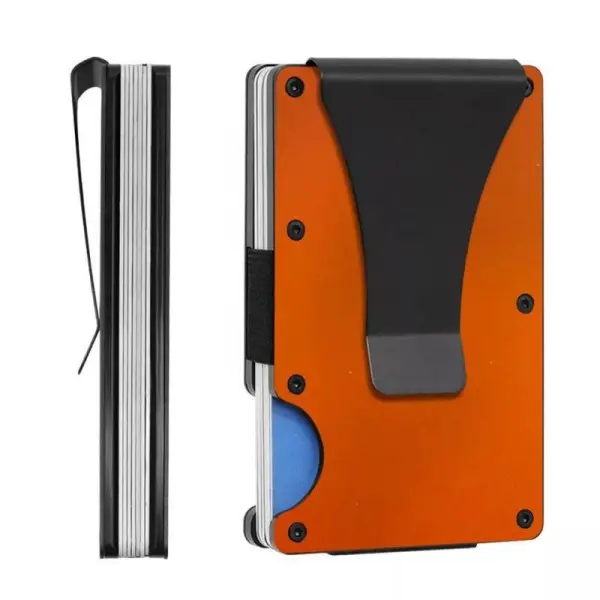
This shift is being driven by changing consumer expectations, advances in manufacturing technology, and the globalization of fashion supply chains. As a result, categories once dominated by standardized products—such as wholesale mens clothing—are now increasingly influenced by customization, flexibility, and brand-specific design.
The New Logic of Menswear Supply
Traditionally, bulk production prioritized efficiency over individuality. Buyers selected from pre-designed catalogs, adjusted quantities, and focused on price. Now, brands want more control. They want garments that reflect their identity, even when ordered at scale. This has led to a hybrid model: large-volume production informed by bespoke design principles.
Retailers sourcing wholesale denim jeans mens lines, for example, no longer accept generic fits and washes. Instead, they request specific silhouettes, branded hardware, custom labeling, and region-specific sizing. A bulk order may still number in the thousands, but it carries the DNA of a single brand vision.
The same logic applies to seasonal sets and casual wear. Wholesale men short sets have become a fast-growing category, especially in warmer markets and resort-focused collections. Buyers now expect the ability to adjust fabric weights, color palettes, and proportions. Even wholesale short shorts—once considered a purely trend-driven item—are being customized to align with niche audiences, from streetwear enthusiasts to athleisure-focused consumers.
Underwear, Basics, and the Custom Mindset
Customization is not limited to outerwear. Basics and underwear are also being reimagined. Wholesale boxers, for instance, are increasingly ordered with brand-specific waistbands, packaging concepts, and fabric blends. Comfort, sustainability, and branding matter just as much as price.
The same trend is visible in wholesale T shirts for men. Once the most standardized item in any catalog, T-shirts are now central to brand storytelling. Fabric composition, neckline shape, sleeve length, and even stitch density are tailored to brand preferences. For labels seeking stronger identity, custom men T-shirts allow bulk orders to feel exclusive without sacrificing scale.
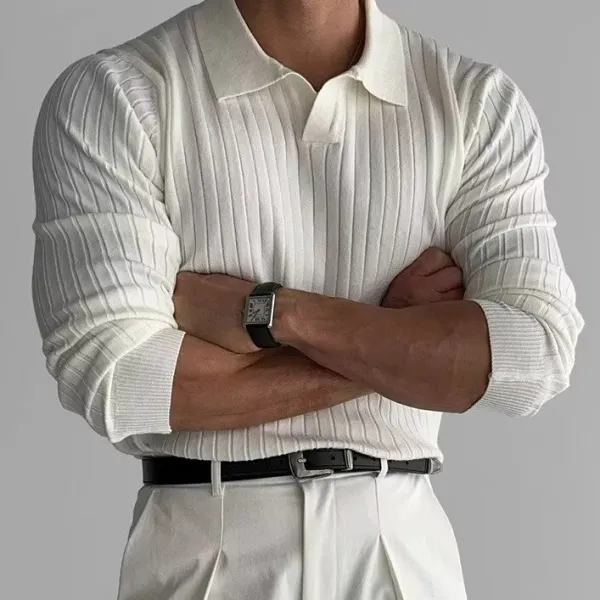
Polo shirts offer another clear example. In the market for men's polo shirts wholesale, buyers often request custom placket designs, embroidery placement, and performance fabrics. A polo is no longer just a polo; it is a versatile product that can communicate luxury, sportiness, or minimalism depending on its details.
Accessories Catch Up
Apparel is only part of the story. Accessories are rapidly joining the bespoke bulk movement. Bags, footwear, and lifestyle items are increasingly designed with customization in mind.
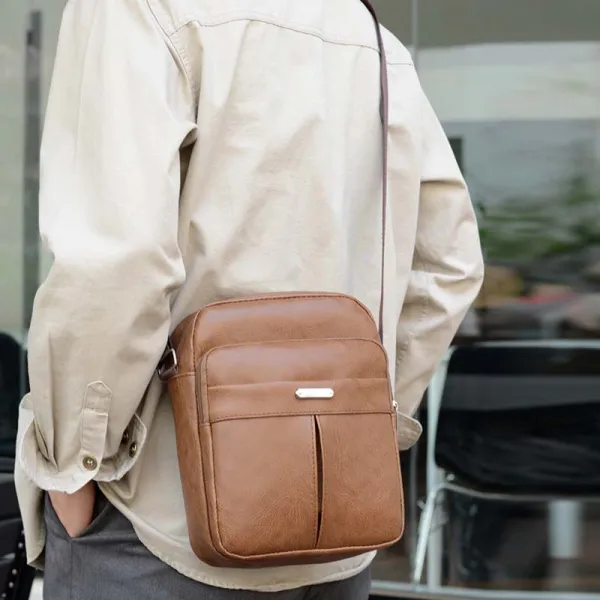
Wholesale men shoulder bags are a case in point. From urban commuters to travel-focused consumers, brands want bags that reflect their functional priorities and visual language. Custom compartments, unique strap designs, and branded hardware are now common requests in bulk orders.
Footwear, traditionally one of the most complex categories to customize, is also evolving. In the past, mens footwear wholesale meant choosing from a limited range of molds and colors. Today, suppliers are more open to modular design systems. Brands can tweak soles, uppers, materials, and finishes to create near-bespoke results at scale. For premium labels, custom made shoes for men bridge the gap between artisanal appeal and commercial viability.
Sets, Travel, and Lifestyle Integration
One of the most interesting developments is the rise of coordinated products. Instead of selling single items, brands increasingly offer curated combinations. Custom men sets—such as matching tops and bottoms or coordinated casual outfits—are popular in both online and offline retail. Bulk customization allows these sets to maintain consistency while still reflecting unique brand aesthetics.
Travel and lifestyle accessories are following the same path. A custom mens toiletry bag, for example, may be ordered in bulk with specific materials, lining colors, and logo placements to complement an apparel collection. These items enhance brand cohesion and increase perceived value without requiring entirely new supply chains.
Technology as the Enabler
None of this would be possible without advances in technology. Digital pattern making, 3D sampling, and flexible manufacturing systems have reduced the cost and risk of customization. Brands can now preview designs virtually, make adjustments quickly, and place bulk orders with confidence.
Data also plays a role. Sales analytics and consumer feedback inform design decisions, allowing brands to fine-tune bulk orders with near-bespoke precision. What once required intuition and experience is now supported by real-time information.
From Trend to Standard Practice
What began as a competitive advantage is quickly becoming an expectation. Buyers entering the wholesale market now assume a certain level of flexibility. Whether sourcing wholesale mens clothing or niche items like wholesale short shorts, they look for partners who understand branding, not just production.
Suppliers, in turn, are repositioning themselves. They are no longer just manufacturers but collaborators, offering design input, material innovation, and logistical expertise. The warehouse is no longer the end of the fashion journey; it is a strategic hub where creativity and scale intersect.
The rise of bespoke menswear bulk orders signals a deeper change in how fashion operates. It reflects a world where individuality and efficiency are no longer opposites, but complements. From runway inspiration to warehouse fulfillment, menswear is embracing a model that values identity at scale.
As customization continues to move downstream into bulk production, the line between bespoke and wholesale will blur even further. For brands willing to rethink their sourcing strategies—and for suppliers ready to evolve—the future of menswear lies precisely in this intersection.


Comments
Post a Comment