Custom Dresses for Special Occasions: From Concept to Creation
Special occasions call for unforgettable style. Whether it’s a wedding, gala, prom, or milestone celebration, what people wear becomes part of their memory of the event. In today’s fashion landscape, more consumers are turning to custom dresses to express individuality, achieve the perfect fit, and stand out with confidence.
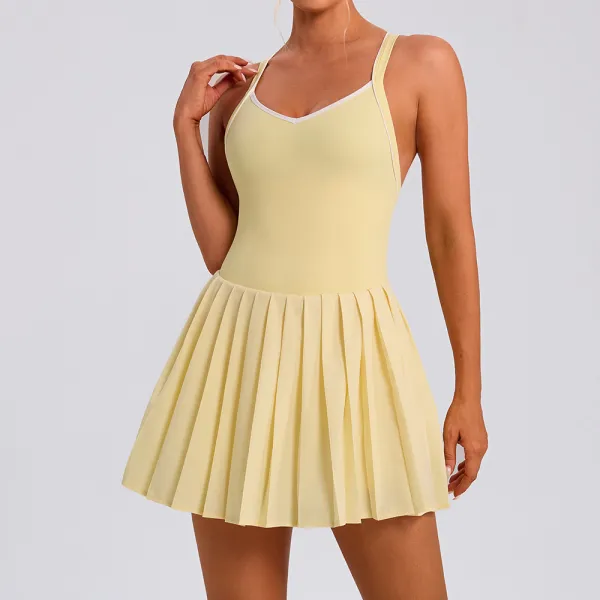
Custom dress design goes far beyond choosing a color or size—it’s a creative journey that transforms ideas into wearable art. From concept development to final production, every step plays a vital role in delivering a garment that is both beautiful and meaningful.
In this comprehensive guide, we’ll explore how businesses and designers can create exceptional custom dresses for special occasions while building a strong, scalable fashion brand.
The Growing Demand for Custom Occasion Wear
The rise of personalization has reshaped the fashion industry. Consumers no longer want mass-produced garments—they want pieces that reflect their personality and fit perfectly.
Why Customers Choose Custom Dresses
- Unique designs tailored to individual tastes
- Perfect fit for different body types
- High-quality craftsmanship
- Emotional value tied to special moments
Custom dresses are especially popular for:
- Weddings and bridal events
- Proms and formal dances
- Red carpet and gala appearances
- Cultural and religious celebrations
Step 1: Concept Development
Every custom dress begins with an idea. This stage is where creativity meets practicality.
Understanding the Client’s Vision
Designers must gather detailed information, including:
- Event type and theme
- Preferred style and silhouette
- Color palette
- Fabric preferences
Clear communication ensures that the final design aligns with the client’s expectations.
Sketching and Design
Once the concept is defined, designers create sketches or digital renderings. These visuals help clients understand how the dress will look and allow for adjustments before production begins.
Step 2: Choosing Materials and Fabrics
Fabric selection is crucial in determining the overall look and feel of the dress.
Common Fabric Choices
- Silk and satin for elegance
- Chiffon for lightweight flow
- Lace for intricate detailing
- Velvet for luxurious texture
The choice of fabric should align with the event, season, and desired comfort level.
Step 3: Inclusive Sizing and Fit
One of the biggest advantages of custom clothing is the ability to cater to all body types. Offering custom plus size clothing ensures inclusivity and expands your customer base.
Importance of Accurate Measurements
Precise measurements are essential for achieving a perfect fit. Designers should consider:
- Body proportions
- Movement and comfort
- Adjustments for posture and posture changes
Step 4: Production and Craftsmanship
Once the design and materials are finalized, production begins.
Pattern Making
Patterns are created based on measurements and design specifications. This step ensures consistency and accuracy during construction.
Sewing and Assembly
Skilled craftsmanship is required to bring the design to life. Attention to detail is critical, especially for intricate elements like embroidery or beading.
Quality Control
Each dress should undergo thorough inspection to ensure it meets quality standards before delivery.
Expanding Beyond Dresses
While custom dresses are the centerpiece, offering complementary products can enhance your brand and increase revenue.
Swimwear for Destination Events
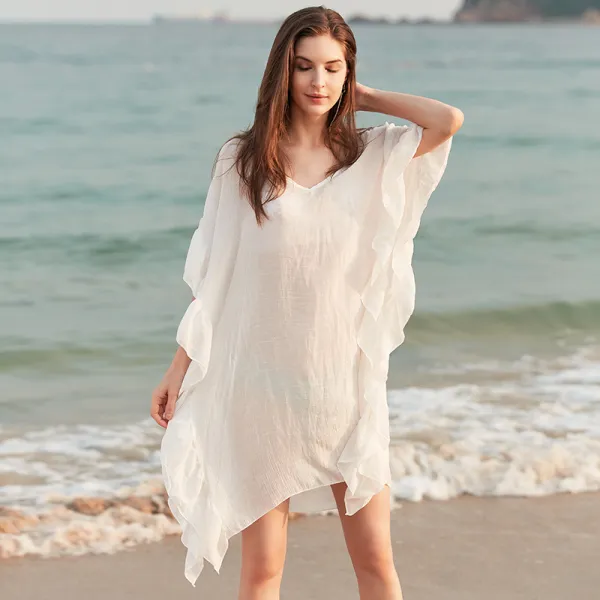
For beach weddings or tropical getaways, custom swimwear provides stylish and personalized options.
Lingerie for Special Moments
Elegant undergarments like custom lingerie add comfort and confidence, completing the overall look.
Sportswear for Pre-Event Activities
Activities such as rehearsals or fitness routines can benefit from custom sportswear that combines functionality with style.
Matching Sets
Coordinated outfits like custom women's sets are ideal for group events or casual celebrations.
Accessories
Accessories play a key role in completing an outfit. Items such as custom socks can add a fun, personalized touch.
Denim Options
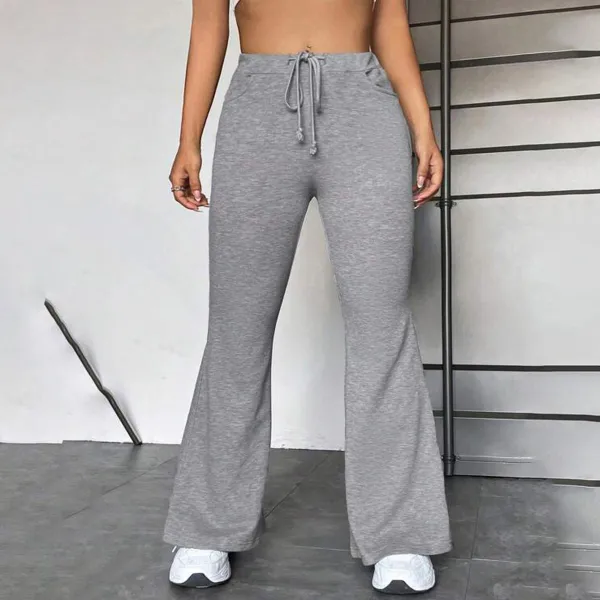
For more casual occasions, custom jeans offer versatility and comfort while maintaining a stylish appearance.
Building a Private Label Brand
Custom dresses can serve as the foundation for a broader fashion brand. By leveraging custom clothing private label services, businesses can create unique collections under their own brand name.
Benefits of Private Labeling
- Strong brand identity
- Greater control over design and quality
- Higher profit margins
- Flexibility in product development
Marketing Custom Dresses
Visual Storytelling
High-quality images and videos are essential for showcasing custom designs. Highlight details such as fabric texture, movement, and fit.
Social Media Engagement
Platforms like Instagram and TikTok are ideal for promoting custom dresses. Share:
- Behind-the-scenes content
- Client testimonials
- Transformation videos
Influencer Collaborations
Partnering with influencers can increase brand visibility and credibility.
Enhancing Customer Experience
Personalized Consultations
Offering one-on-one consultations helps clients feel valued and ensures their needs are met.
Transparent Communication
Keep customers informed throughout the design and production process.
After-Sales Support
Provide guidance on care and maintenance to extend the lifespan of the dress.
Challenges and Solutions
Time-Intensive Process
Custom dresses require more time than ready-made garments. Solution: streamline workflows and set clear timelines.
Cost Considerations
Customization can be expensive. Solution: offer tiered pricing options to cater to different budgets.
Managing Expectations
Clear communication and detailed previews help avoid misunderstandings.
Future Trends in Custom Occasion Wear
Technology Integration
Virtual fitting rooms and AI-driven design tools are transforming the customization process.
Sustainability
Eco-friendly materials and ethical production practices are becoming increasingly important.
Personalization
Advanced customization options allow customers to create truly unique garments.
Custom dresses for special occasions represent the perfect blend of creativity, craftsmanship, and personalization. By guiding clients through every step—from concept to creation—businesses can deliver unforgettable experiences and build lasting relationships.
Expanding into complementary categories such as swimwear, lingerie, sportswear, women’s sets, socks, and jeans further enhances your brand’s appeal. Leveraging custom clothing private label solutions allows you to scale your business and establish a strong market presence.
In 2026 and beyond, customization is not just a luxury—it’s an expectation. Brands that embrace this trend and prioritize quality, inclusivity, and customer experience will lead the future of fashion.


Comments
Post a Comment