Building an Emotional Brand: Why Sustainable Lingerie Commands a 30% Price Premium
In the modern retail landscape of 2026, the era of the "faceless merchant" is over. Consumers are increasingly turning away from mass-produced, opaque supply chains and are gravitating toward brands that stand for something beyond the bottom line. For lingerie retailers, sustainability is not just a moral choice; it is the most potent tool for brand differentiation and the single greatest lever for achieving a 30% price premium.
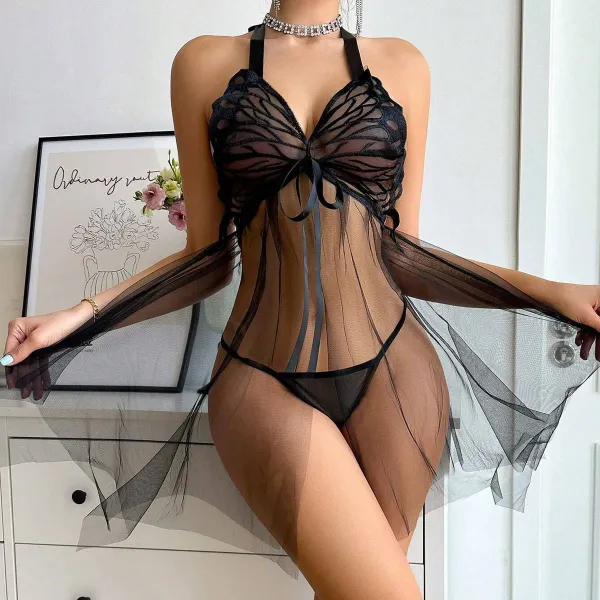
When a product is intimate, sustainable, and tells a compelling story, the customer stops shopping for "units" and starts investing in "values." This article explores how to pivot your business toward an emotional, sustainable brand identity that justifies higher margins and builds unbreakable customer loyalty.
1. The Psychology of the Premium: Why Values Drive Sales
Why would a customer pay 30% more for a pair of organic cotton briefs compared to a conventional synthetic pair? The answer lies in the shift from "price-per-wear" to "value-per-soul." Sustainability is an emotional trigger. It aligns the customer’s purchase with their identity as an ethical, conscious human being.
When you source your inventory from ethical
2. Fabric as the Foundation of Your Narrative
The move to sustainability starts at the thread level. Conventional synthetic lingerie is often derived from petroleum, creating a disconnect between the "self-care" marketing of lingerie and the reality of the material. By contrast, sustainable lingerie utilizes regenerated cellulosics, organic cottons, and recycled fibers that feel superior on the skin.
The Feel-Good Factor: When you stock
bulk bras The Transparency Dividend: Your customers are curious. When they see
bulk panties
3. Expanding the Scope: Inclusivity and Ethics
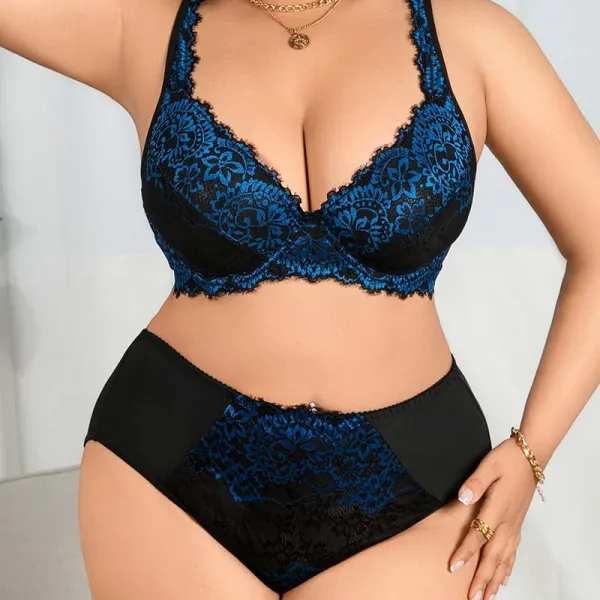
Sustainability is not just about the environment; it is about social sustainability. A truly ethical brand is one that serves all bodies, not just a select few. The most successful sustainable brands are those that marry eco-consciousness with deep inclusivity.
When you curate
4. Operational Integrity: The Role of Customization
How do you keep your sustainability story "real" as you grow? Through a commitment to quality that avoids overproduction. Generic wholesale is often tied to massive, wasteful production runs. By moving toward a
Customization is the ultimate form of sustainable luxury. It eliminates the "overstock" problem, ensures the customer receives a garment that fits their unique body, and turns the act of purchasing into a bespoke experience. It is the perfect marriage of modern technology and high-touch service, allowing you to command that 30% premium with ease.
5. Marketing the "Impact" Instead of the "Product"
To command a premium, your marketing must change. Stop talking about "features" (e.g., "three-hook closure," "adjustable straps") and start talking about "impact."
The Story of the Supply Chain: Create short-form video content that shows the factory floor. Introduce your customers to the team members who sew the
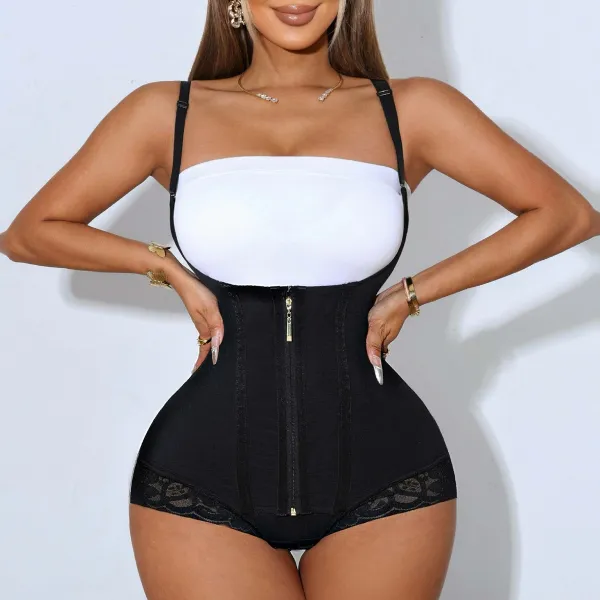
shapewear wholesale The Environmental Math: Be explicit. "By choosing this set, you saved 500 gallons of water compared to traditional manufacturing." This data-driven emotional appeal provides the rational justification for the 30% premium.
6. The Long-Term ROI of an Emotional Brand
It is easy to get caught up in the short-term pressure of keeping prices low to compete with mass-market giants. However, the long-term ROI of an emotional, sustainable brand is vastly superior.
Lower Return Rates: When a customer values the mission of a brand, they are more likely to engage with the product and care for it properly.
Higher Customer Lifetime Value: An emotional bond leads to repeat purchases. Customers don't leave brands that reflect their personal values just because they see a 5% cheaper alternative elsewhere.
Community Advocacy: Your customers become your marketing team. They share your sustainability stories on social media because doing so makes them feel good. This "social proof" is priceless.
7. The Future is Ethical
Building an emotional, sustainable brand is not an overnight task. It requires a shift in how you select your partners, how you price your goods, and how you communicate with your audience.
Start today by auditing your inventory. Are you proud of the supply chain behind every item you sell? If not, begin the shift. Find partners who care about the planet and the people who make your clothes. Price your items to reflect the true cost of ethical production—and don't be afraid of that 30% premium. Your customers aren't just looking for underwear; they are looking for a brand that makes them feel good about who they are. Be that brand. The future of retail belongs to those who choose purpose over price.


Comments
Post a Comment