Elevating Your Retail Brand with Custom-Made Services
1. The Modern Retail Imperative for Customization
The contemporary retail landscape is characterized by hyper-competition, shifting consumer expectations, and an abundance of choices. In an era where shoppers can access global markets with a few taps on their smartphones, traditional brick-and-mortar storefronts and standard e-commerce boutiques face a formidable challenge: how to stand out in a sea of sameness. For decades, retail success was largely defined by scale, pricing power, and efficient inventory turnover of mass-produced goods. However, as digital saturation deepens, homogenization has become the silent killer of emerging retail brands.
This comprehensive guide explores the multifaceted strategies required to elevate your retail brand using custom-made services and strategic wholesale sourcing. We will examine market trends, category expansion, supply chain mastery, and actionable operational tactics designed to give your enterprise a competitive edge.
2. Understanding the Shifts in Global Consumer Demands
Consumer behavior over the past decade has undergone a tectonic shift. Today’s shoppers—particularly Millennials and Generation Z—place a premium on authenticity, personal identity alignment, and brand values. They no longer wish to wear mass-market uniforms produced by fast-fashion giants; instead, they seek garments and accessories that reflect their individuality, aesthetic preferences, and ethical standards.
This psychological shift has driven exponential growth in the demand for customized and limited-edition merchandise. When a consumer purchases a product that features unique design elements, bespoke fits, or personalized branding, the psychological ownership increases dramatically. This connection fosters stronger brand loyalty, higher repeat purchase rates, and invaluable word-of-mouth marketing.
Furthermore, modern consumers expect seamless omnichannel experiences. They want the quality associated with high-end boutiques combined with the accessibility of modern e-commerce. Retailers who successfully harness custom-made services are uniquely positioned to meet these expectations by offering exclusive products that cannot be found anywhere else on the market.
3. The Evolution of Apparel Sourcing: From Traditional Wholesale to Tailored Manufacturing
Historically, building a retail inventory meant dealing with rigid minimum order quantities (MOQs), lengthy production cycles, and standardized catalogs that left little room for creative differentiation. Retailers had to gamble on seasonal trends months in advance, often resulting in either deadstock or stockouts.
Today, the sourcing paradigm has evolved. A hybrid model—combining reliable
This evolution enables boutique owners and large e-commerce platforms alike to test new product lines with lower risk. They can scale up successful designs rapidly while maintaining strict quality control over fabrics, stitching, and finishing details.
4. Core Apparel Categories and Strategic Variety in Stock & Custom
Curating an exceptional product lineup requires a deep understanding of core apparel categories and how to blend ready-to-wear items with customized statements. Let us examine how specific wardrobe staples can be leveraged to drive retail growth.
When curating men's collections, variety is paramount. Retailers must balance casual everyday wear with structured seasonal pieces. For instance, incorporating versatile
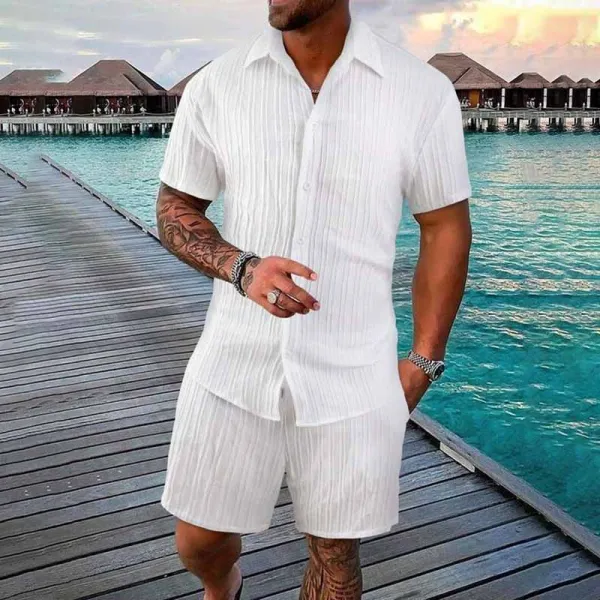
In addition to structured apparel, coordinated outfits have dominated modern casual wear. Consumers increasingly favor convenience and cohesive styling without the hassle of matching separate pieces. Offering curated
As seasons shift toward warmer weather, functional lower-body wear becomes critical. Retailers need robust inventory in
Undergarments and essentials also offer immense potential for high-volume turnover and brand loyalty. Investing in
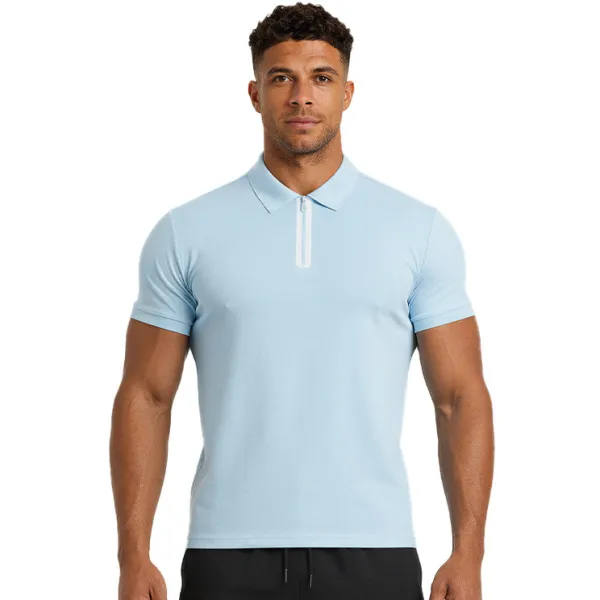
Basic tops represent the canvas of modern retail. High-volume programs for
5. Footwear and Accessories: Completing the Modern Retail Ecosystem
An apparel brand is only as strong as its accessories and footwear ecosystem. Accessories provide crucial margin expansion and complete the consumer’s lifestyle vision. Retailers looking to diversify revenue streams should look closely at comprehensive accessory collections.
Bags and backpacks are essential components of modern urban mobility. Incorporating versatile
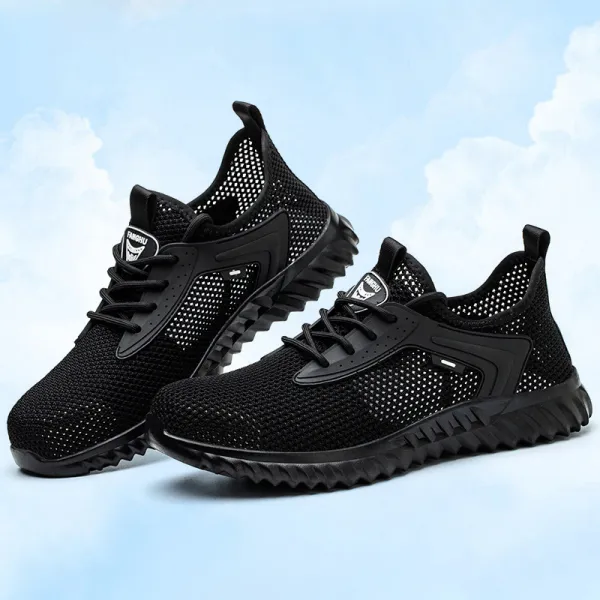
Similarly, footwear is a major decision-point for consumers completing an outfit. Offering diverse styles through
6. Deep-Dive into Custom-Made Services: T-Shirts, Bags, Shoes, and Sets
While standard wholesale provides inventory stability, custom-made services provide your brand's unique soul. Customization transforms generic products into exclusive brand assets. Let us explore the four pillars of custom retail manufacturing.
Strategic Insight: Customization is not just about printing a logo; it is about engineering garments and accessories to fit your precise brand identity, fabric preferences, and sizing specifications.
Custom T-Shirts: The Ultimate Blank Canvas
T-shirts are the most ubiquitous garment in modern wardrobes, making them the prime candidate for customization. Utilizing specialized
Custom Bags and Accessories
Bags are highly visible lifestyle statements. Utilizing professional
Custom Footwear
Footwear manufacturing has traditionally had prohibitively high barriers to entry. However, modern custom production partners have democratized footwear design. Through specialized
Custom Sets and Coordinated Outfits
Coordinated apparel sets represent one of the fastest-growing segments in modern retail. Leveraging advanced
7. Operational Efficiency and Supply Chain Logistics for Retail Success
Scaling a retail brand with custom-made services requires rigorous operational discipline. Managing production lead times, quality assurance, inventory forecasting, and international shipping logistics can make or break an emerging enterprise.
To mitigate risk, retailers should adopt a phased inventory strategy. Start with reliable wholesale staples to test market response and secure steady cash flow. Once customer preferences are validated through sales data, transition high-performing designs into custom-made production runs. Partnering with centralized digital wholesale and customization platforms streamlines communication with manufacturers, reduces language and time-zone barriers, and ensures transparent tracking from factory floor to retail warehouse.
Quality control (QC) is another critical operational pillar. When investing in custom merchandise, establishing clear tech packs (technical specification sheets) with precise measurements, Pantone color codes, and material standards prevents costly production errors and ensures consistency across batches.
8. Marketing and Positioning Your Custom Brand for Long-Term Growth
Creating exceptional custom products is only half the battle; effectively communicating their value to the target audience is what drives revenue. Modern retail marketing must tell the story behind the product—highlighting the craftsmanship, the quality of the raw materials, and the exclusivity of the design.
Leverage content marketing, influencer partnerships, and user-generated content (UGC) to showcase your custom collections in real-world settings. Transparency builds trust: share behind-the-scenes glimpses of your custom manufacturing process, fabric sourcing journeys, and design sketches on social media channels. When consumers understand the thought and care invested into your custom-made lines, price resistance diminishes, and brand equity soars.
9. Building a Resilient, Future-Proof Retail Enterprise
The retail industry will continue to evolve, rewarding those who adapt and penalizing those who remain stagnant. By shifting away from generic reselling and embracing a hybrid model of strategic wholesale and bespoke custom-made services, retail brands can carve out a defensible, highly profitable niche in the global marketplace.
Whether you are expanding your catalog with essential wardrobe staples or designing proprietary collections of footwear, bags, and coordinated sets, the tools for success are more accessible than ever. Embrace innovation, prioritize quality, and elevate your retail brand to new heights of distinction and profitability.


Comments
Post a Comment