Building a Successful Kidswear Brand: The Ultimate Guide to Wholesale Children’s Clothing & Custom Designs
1. The Evolving Landscape of Children’s Fashion Retail
The global children’s wear, footwear, and accessory sector has transformed remarkably over the past decade. Driven by shifting demographics, rising disposable incomes among millennial and generation z parents, and an intense cultural focus on stylish parenting, the kidswear market has expanded far beyond basic utility. Contemporary parents view clothing, toys, and lifestyle accessories not merely as functional daily necessities, but as vital extensions of their children’s developing personalities and familial aesthetic values.
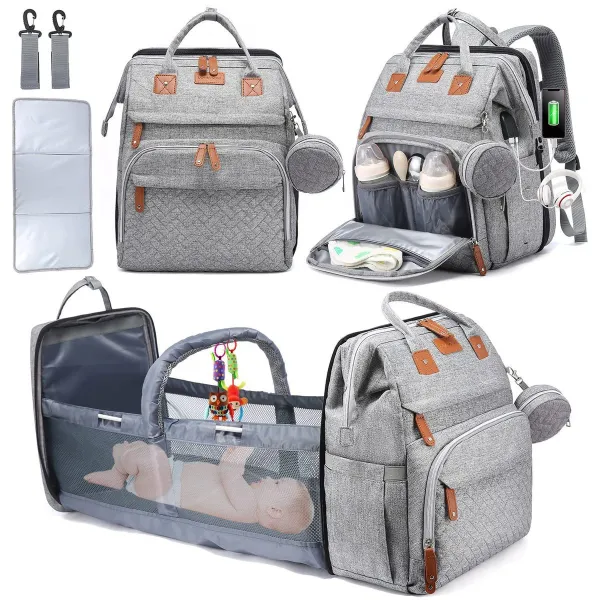
For boutique owners, e-commerce entrepreneurs, and emerging brand founders, capitalizing on this booming demand requires a sophisticated operational strategy. Relying solely on a static catalog of generic goods is no longer a viable recipe for long-term survival. Price competition from fast-fashion giants has compressed retail margins, making strategic inventory sourcing, agile wholesale acquisition, and tailored customization absolute necessities for brand differentiation.
To break free from commodity pricing and margin erosion, forward-thinking retailers are optimizing how they procure their merchandise. The most successful brands employ a hybrid sourcing model that blends scalable wholesale acquisition with bespoke product offerings. By integrating high-quality apparel, specialized accessories, school gear, and curated lifestyle collections, retailers can capture new market segments, foster deep brand loyalty, and command competitive retail pricing.
This comprehensive guide explores the multi-faceted strategies required to master wholesale children's apparel and custom design integration. We will examine market dynamics, category expansion, manufacturing customization, and actionable operational frameworks designed to elevate your retail enterprise to unprecedented profitability.
2. Deconstructing Market Dynamics and Modern Parent Consumer Psychology
Understanding the psychology of the contemporary parent consumer is the foundational first step toward building a successful retail brand. Modern shoppers are highly fashion-conscious, quality-driven, and value-oriented. They look for specific product attributes before making a purchase decision:
Fabric Safety and Comfort: Children have sensitive skin, making non-toxic, hypoallergenic, and breathable textiles (such as organic cotton, bamboo blends, and soft knits) non-negotiable purchasing criteria.
Durability and Easy Care: Because children grow rapidly and subject their clothing to rigorous daily wear and frequent laundering, garments must withstand heavy usage without losing shape or color.
Aesthetic Appeal and Trend Alignment: Parents increasingly seek miniature versions of adult streetwear, minimalist neutrals, and playful, vibrant prints that look exceptional in digital family portraits and social media sharing.
This cultural shift has catalyzed massive demand for versatility, quality, and exclusivity. When a retail brand sources carefully curated products alongside specialized collections, perceived value increases exponentially. This emotional and economic alignment translates directly into higher customer lifetime value (LTV), increased average order values (AOV), and robust word-of-mouth advocacy.
3. Optimizing the Wholesale Foundation: Sourcing Must-Have Apparel Categories
Before layering in complex custom-made programs, retailers must establish a solid, commercially viable inventory foundation through cost-effective wholesale sourcing. Sourcing the right baseline apparel and accessories ensures steady cash flow, minimizes fulfillment friction, and builds immediate consumer trust.
When constructing a comprehensive retail catalog, partnering with reliable global procurement hubs for
Infant Wear and Playful Rompers
The infant wear segment represents one of the most resilient and recession-proof sectors in retail, driven by constant birth rates and rapid infant growth cycles. Sourcing high-quality infant apparel requires a meticulous eye for snap-closure durability, stretch recovery, and gentle neckline constructions. Incorporating diverse
Driving Basket Size with Coordinated Sets
Coordinated outfits have transformed contemporary consumer buying behavior by eliminating the friction of matching separate tops and bottoms. Offering curated
Capturing Special Occasion Demand with Dresses
The dresses segment remains a high-margin cornerstone for children's boutiques, spanning casual everyday cotton sundresses to elaborate party, holiday, and flower girl gowns. Sourcing diverse
4. Expanding Revenue Pools: Accessories, Gear, and Entertainment Goods
While apparel drives primary foot traffic, accessories, school gear, and toys represent high-margin profit pools that complete the consumer's lifestyle vision and significantly boost overall business revenue. Sourcing these categories from specialized wholesale providers ensures optimal margins.
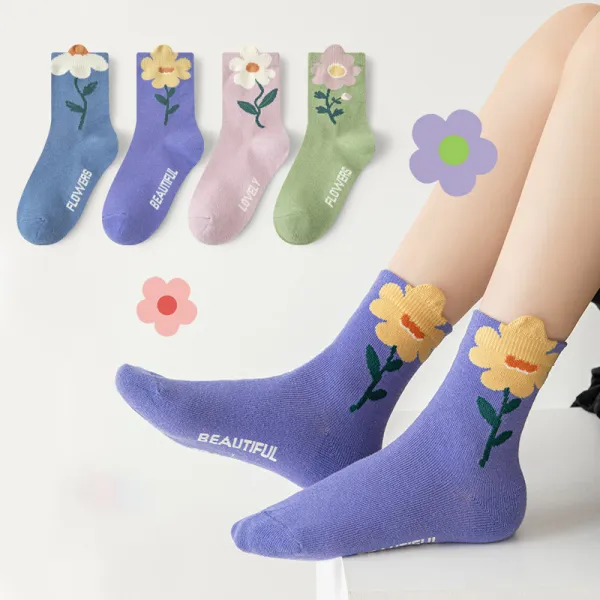
Lifestyle Accessories and Room Decor
Children’s accessories and interior decor items have surged in popularity as parents invest heavily in nursery aesthetics and creative play spaces. Incorporating versatile
Everyday Bags and Travel Backpacks
Bags designed for children have evolved from simple utility items into essential fashion statements for daycare, family travel, and weekend outings. Incorporating versatile
Back-to-School Bookbags and Scholastic Gear
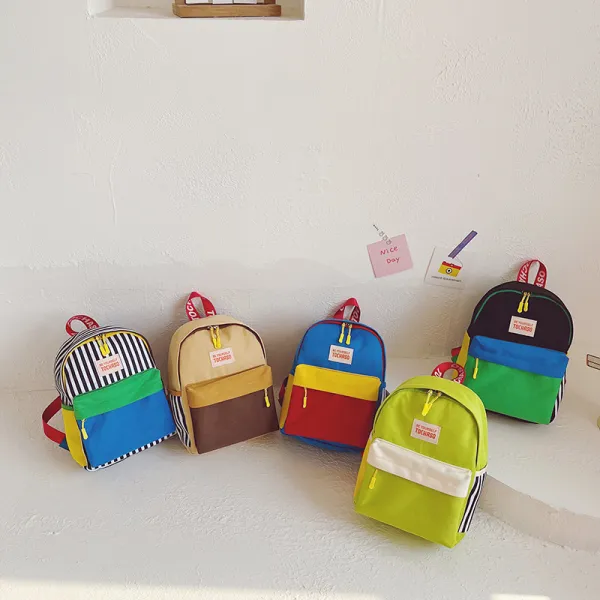
The back-to-school shopping season represents an explosive revenue window for children's retailers. Sourcing durable, high-capacity
Captivating Young Minds with Toys
Integrating toys and hobbies into a children's apparel or specialty retail store is one of the most effective ways to boost impulse purchases and elevate average transaction values. By investing in reliable
5. Unlocking High-Margin Revenue Through Custom Designs and Private Labels
While standard wholesale provides operational stability and immediate inventory readiness, custom designs and private label solutions are fundamentally changing the industry by unlocking the highest profit margins and establishing true brand distinction. Customization transforms generic commodity products into exclusive brand assets that insulate your retail business from aggressive price competition.
Strategic Sourcing Insight: Customization in children's wear requires rigorous attention to safety regulations. Beyond unique branding, custom fabric finishes and non-toxic prints must meet international compliance standards to guarantee absolute child safety.
Engineering Proprietary Fits and Fabrics
Utilizing specialized custom manufacturing services empowers emerging kidswear brands to experiment with proprietary fabric blends (such as organic cotton-modal and bamboo mixes), custom GSM weights, bespoke garment-dye colors, and signature cut-and-sew silhouettes while maintaining cost efficiency.
Custom Accessories and Hardware
Accessories offer incredible margins when customized. Leveraging professional custom manufacturing services enables retailers to design custom metal zippers, embossed labels, unique internal lining prints, and specialized compartment layouts tailored to niche markets like luxury kids' travel or eco-friendly lifestyle boutiques.
6. Operational Execution, Supply Chain Logistics, and Cost Mitigation
Sourcing quality children's wear and integrating wholesale customization requires rigorous operational discipline and financial management. Managing production lead times, international freight, quality assurance (QA), and inventory forecasting is vital to maintaining healthy retail margins and avoiding common supply chain traps.
Vetting Suppliers and Evaluating Pricing Structures
When searching for wholesale and custom manufacturing partners, buyers must look beyond initial catalog pricing. Evaluate the total landed cost—including shipping tariffs, customs duties, and handling fees. Always request physical pre-production samples to evaluate stitch density, fabric hand-feel, color fastness, and hardware durability before committing to bulk orders. Verify that potential suppliers enforce strict ethical labor standards and environmental compliance.
Regulatory Compliance and Safety Standards
Children's products are subject to stringent international safety regulations regarding small parts choking hazards, lead content, flammability standards, and non-toxic dyes. When vetting wholesale suppliers, always demand certified testing documentation (such as CPSIA compliance reports in the United States or EN71 standards in Europe) to protect your brand from catastrophic liabilities and product recalls.
Phased Inventory Strategy and Working Capital Management
To protect cash flow, retailers should avoid over-committing capital to unproven products. A phased inventory strategy—starting with small-batch spot wholesale orders to test market response, followed by scaling successful items into custom manufacturing runs—minimizes financial exposure and eliminates deadstock. Keeping working capital fluid allows businesses to capitalize on emerging trends rapidly while negotiating better volume discounts over time.
7. Building a Resilient, Future-Proof Children’s Retail Enterprise
Mastering how wholesale children's wear and custom design integration are changing the industry requires a deliberate approach that combines macro-trend awareness, strict safety compliance, digital platform navigation, and disciplined supply chain management. By partnering with trusted B2B ecosystems, balancing ready-to-wear wholesale inventory with custom manufacturing solutions, and maintaining uncompromising quality control standards, retail entrepreneurs can build a resilient, highly profitable enterprise. Embrace strategic supplier vetting, prioritize transparent communication, and position your brand for sustainable, long-term growth in the competitive global market.


Comments
Post a Comment